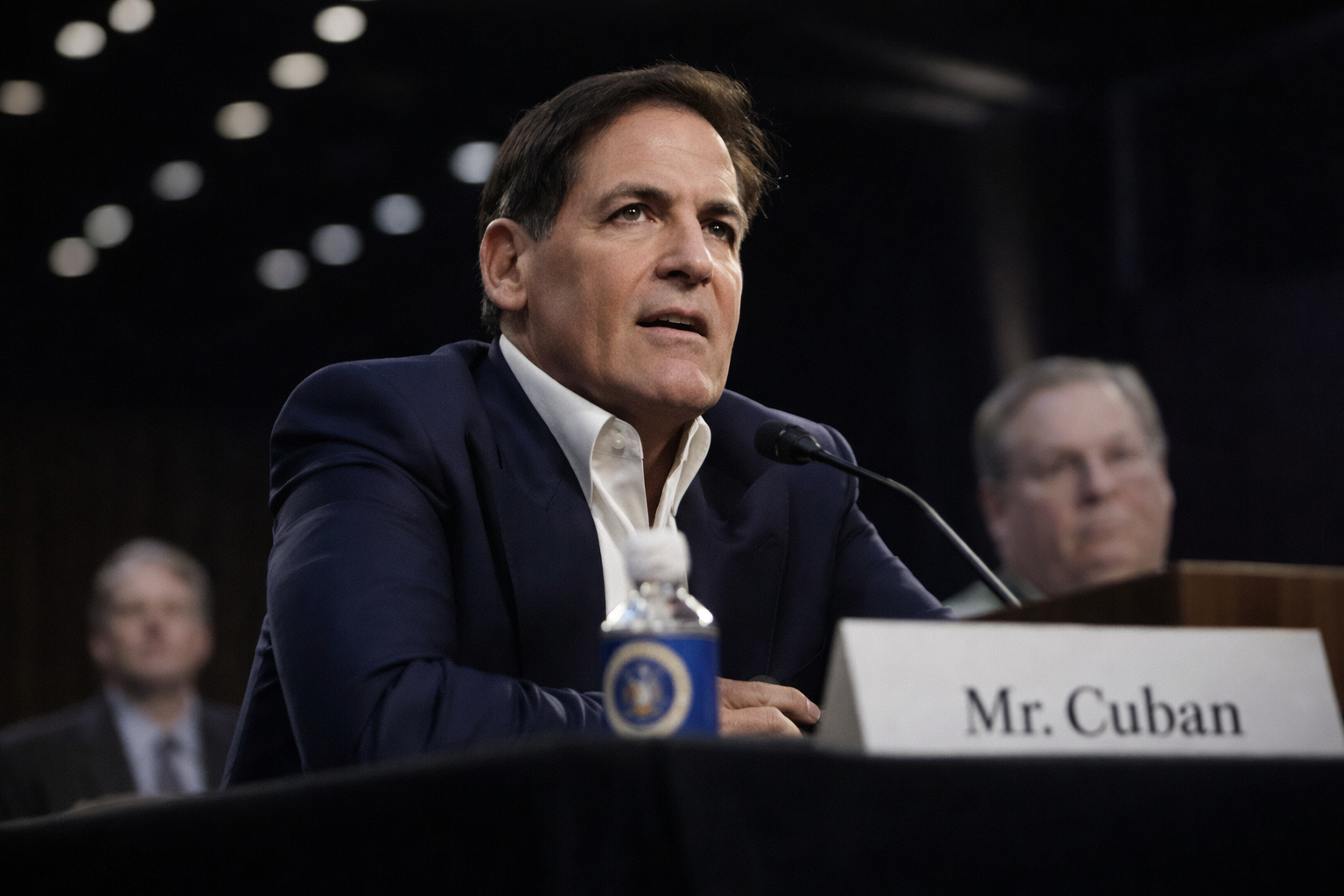
Mark Cuban is an American billionaire businessman, investor, and TV personality. He made his money in the tech industry and later became the owner of the Dallas Mavericks basketball team. Many people also know him from the TV show Shark Tank. He is known for speaking openly about business, healthcare, and ways to lower costs for everyday people.

For millions of Americans, health insurance is supposed to mean protection, peace of mind, and security.
Instead, it often feels confusing, expensive, and frustrating.
Billionaire entrepreneur Mark Cuban is now shining a spotlight on what he believes is the real problem inside America’s healthcare system — and it’s not doctors or hospitals.
It’s the insurance structure itself.
A System Built on Complexity
Cuban argues that insurance companies have inserted layers of complexity between patients and care.
Those layers include:
- Pre-authorizations before treatment
- Claim denials and appeals
- Massive billing departments
- Negotiated pricing hidden from the public
Each layer adds administrative cost. And those costs don’t disappear — they get passed on to patients through higher premiums, deductibles, and surprise bills.
His message is simple but powerful:
The more middlemen involved, the more expensive healthcare becomes.
The Problem With “Sticker Prices”
One of Cuban’s biggest criticisms is how pricing works in American healthcare.
Hospitals often post extremely high list prices. Insurance companies then negotiate discounts behind closed doors. The uninsured may be charged the full amount.
The result?
- No transparent pricing
- No real comparison shopping
- Bills that feel impossible to understand
Cuban believes that if insurance companies were removed from routine transactions, providers would be forced to compete openly on price — just like most other industries.
Mark Cuban Turning Philosophy Into Action
Cuban didn’t stop at criticism.
Through the Mark Cuban Cost Plus Drug Company, he launched a transparent drug pricing model designed to eliminate hidden markups.
The company publicly shows:
- The manufacturer’s cost
- A fixed 15% markup
- A small pharmacy fee
- Shipping costs
No hidden negotiations. No secret rebate structures. No pharmacy benefit managers inflating prices.
For many generic medications, the savings have been dramatic.
Why Mark Cuban Argument Resonates
Families across the country face tough choices every day:
- Paying insurance premiums or paying rent
- Filling prescriptions or buying groceries
- Accepting medical debt or delaying care
Cuban’s argument taps into a growing frustration — that the system feels built for billing efficiency rather than patient well-being.
The Big Question: Can It Really Work?
Critics point out that insurance exists to spread financial risk. Major surgeries, cancer treatments, and emergency care can cost hundreds of thousands of dollars.
Without insurance, those bills would be devastating for most families.
So the debate becomes larger than one entrepreneur’s opinion. It raises fundamental questions:
- Should healthcare operate like a free market?
- How do we balance affordability with protection?
- Can transparency alone lower costs at scale?
